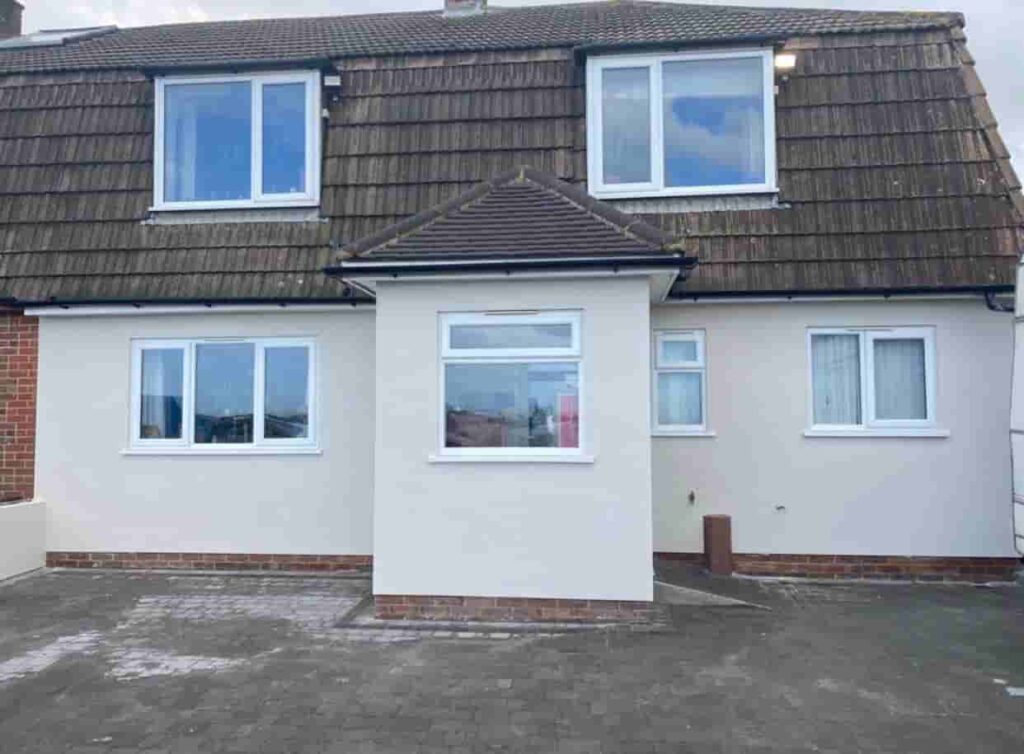
Storm damage is not always easy to identify from ground level. A roof may still appear largely intact even though tiles have shifted, flashing has lifted or the protective underlay has been exposed.
For property owners in Priory Vale, Wiltshire, making a damaged roof weather-secure means addressing every route through which wind and rain could enter. This requires a careful inspection, appropriate temporary protection where necessary and permanent repairs matched to the materials involved.
How a Storm-Damaged Roof Is Secured
The Immediate Risks Are Identified
Before accessing the roof, a roofer assesses the weather conditions, visible damage and stability of the affected area. Loose tiles, damaged sheets and unstable ridge materials may continue moving after the storm has passed.
The area below may also need to be kept clear until loose components have been secured. Safe access and controlled working methods are essential before any close inspection begins.
The Entire Affected Area Is Inspected
The most visible damage may not be the only problem. Wind can loosen neighbouring tiles and fixings without removing them completely, while rain may enter through small gaps that are difficult to see.
A professional inspection considers:
- displaced, cracked or missing tiles
- loose ridge, hip and verge materials
- lifted or damaged flashing
- blocked valleys and gutters
- torn or exposed underlay
- weakened battens and fixings
- signs of moisture inside the roof space
Assessing these components together helps prevent hidden storm damage from being left unresolved.
Temporary Protection May Be Installed
When a permanent repair cannot be completed immediately, temporary weatherproofing can help limit further water ingress. The method used will depend on the roof type, location of the opening and condition of the surrounding materials.
Temporary coverings must be secured correctly so that they do not lift in further wind or direct water into another part of the roof. They provide short-term protection but should not be mistaken for a complete repair.
Damaged Tiles and Slates Are Renewed
Missing, cracked or displaced tiles create openings in the main weather-resistant layer. A roofer will replace damaged units, restore the correct overlap and secure the surrounding covering.
The cause of the movement should also be investigated. Corroded fixings, broken tile nibs or damaged battens may need attention before replacement tiles can be secured reliably.
Ridges, Hips and Verges Are Stabilised
Ridge, hip and verge details are particularly exposed to wind pressure. Storms may crack mortar, disturb mechanically fixed components or loosen entire sections.
Repairs must restore both the position and stability of these materials. Simply placing a loose tile back into position will not be sufficient if the fixing system or bedding beneath it has failed.
Flashing and Roof Junctions Are Restored
Flashing protects vulnerable junctions around chimneys, walls, roof windows and changes in roof level. Wind can lift its edges or open gaps where it meets adjoining materials.
A roofer will check whether the flashing can be secured and dressed back into position or whether the damaged section requires renewal. Nearby tiles and mortar should also be examined because water may have travelled behind the junction.
Hidden Layers Are Checked for Damage
The underlay and battens beneath tiles may be affected even when the visible covering can be repaired easily. Torn underlay may no longer direct moisture towards the eaves, while damp or fractured battens may not hold new fixings securely.
Lifting the surrounding covering where appropriate allows the roofer to assess these concealed layers. This prevents a neat-looking surface repair from hiding a continuing weakness underneath.
Drainage Routes Are Cleared
Storms can deposit leaves, moss and broken roofing material in valleys, gutters and outlets. Restricted drainage may cause water to back up and enter beneath otherwise serviceable roof components.
Removing these obstructions helps restore the intended flow of rainwater. The drainage details should also be checked for displacement, splitting or impact damage.
Internal Evidence Is Compared with External Damage
Damp insulation, stained timbers and ceiling marks can help indicate where water has travelled. However, the internal symptom may be some distance from the external entry point.
A roofer compares the location of indoor moisture with the roof’s slope, junctions and drainage paths. This helps establish whether there is one point of entry or several separate defects.
The Completed Repair Is Checked Carefully
After the damaged materials have been repaired, the affected section should be reviewed as a complete system. Tiles need the correct overlap, flashing must direct water onto the roof covering and all repaired components must be secure.
The final check should also confirm that valleys and gutters remain clear and that no loose debris has been left behind. A weather-secure roof depends on each element working correctly with the next.
When to Arrange a Professional Inspection
An inspection should be arranged if you notice:
- missing or uneven roofing materials
- fragments of tile, slate or mortar on the ground
- new damp patches or water ingress
- loose flashing or ridge components
- rattling noises during windy conditions
- overflowing gutters after the storm
- daylight visible inside the roof space
Avoid climbing onto the roof or attempting repairs while surfaces remain wet or the weather is unsettled.
Conclusion
Making a storm-damaged roof weather-secure requires more than replacing the most obvious missing tile. Roofers inspect the surrounding covering, fixings, flashing, underlay, battens and drainage routes before completing repairs that restore the system’s ability to resist wind and rain.
If your roof in Priory Vale, Wiltshire has been affected by severe weather, contact LJ Roofing Priory Vale. Our team can assess the damage and carry out the appropriate work needed to make the roof secure and weather-resistant again.
Call us on: 01793 569 593
Click here to find out more about LJ Roofing Priory Vale
Click here to complete our contact form and see how we can help with your roofing needs.